An evidence-based editorial notebook on everyday nutrition — from whole grains and seasonal produce to structured meal planning and portion-aware approaches to balanced living.
Each subject area is approached with attention to published nutritional research and practical applicability within a typical British household context.
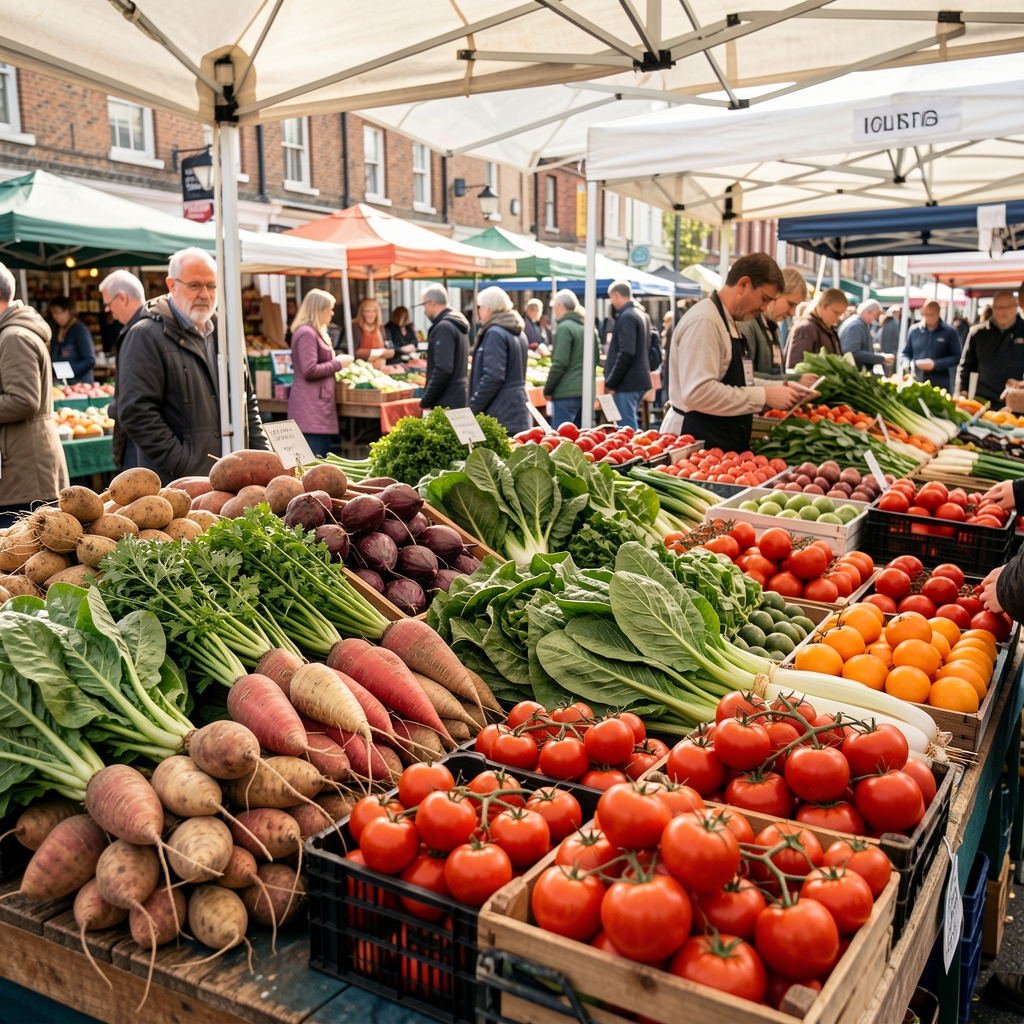
Vegetables & Fruits
Seasonal produce calendars, preparation methods that preserve nutritional density, and integration strategies for households with varying levels of cooking confidence.
Portion Awareness
Evidence-based frameworks for understanding serving quantities without reliance on rigid calorie counting — emphasising energy balance and sustainable long-term patterns.
Meal Planning
Systematic approaches to weekly menu construction — from grocery planning and batch preparation to adaptive frameworks that respond to seasonal availability.
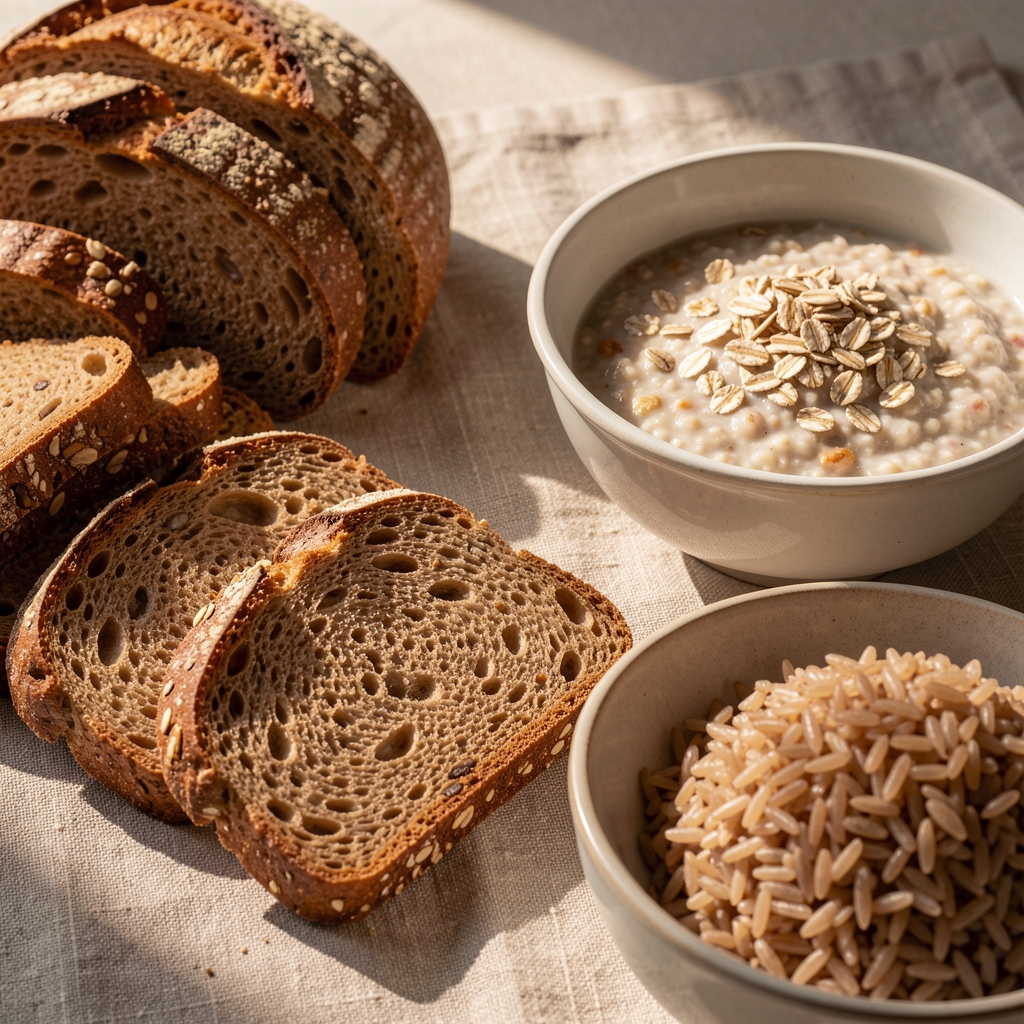
Whole Foods
Documentation of minimally processed ingredient categories — their role in fibre intake, gut microbiome support, and macronutrient completeness within balanced eating patterns.
Active Lifestyle
The relationship between physical activity patterns and nutritional requirements — covering sport-adjacent eating, hydration habits, and recovery-oriented food composition.
Mindful Eating
Attention-based approaches to food consumption — slowing the pace of meals, recognising satiety signals, and developing an informed relationship with hunger cues over time.
05 / Our Position
Nutrition writing without the noise
Elbora Notebook operates from a straightforward position: everyday nutrition decisions are better served by clear, sourced editorial content than by trend-driven claims. The publication focuses on published dietary research, practical food preparation, and the habits that accumulate into long-term wellbeing.
Each article undergoes a second-editor review before publication. Sources are cited where appropriate. Writers disclose any commercial relationships that could influence subject selection. This is editorial nutrition writing in the tradition of responsible journalism — not content marketing.
"The most durable dietary habits are those built on understanding rather than instruction — on a clear sense of what food does, rather than a list of rules to follow."
— Elbora Notebook Editorial Standards, 2026
06 / Common Questions
Frequently Asked
Answers to recurring questions from readers on how the publication selects topics, evaluates sources, and structures its editorial approach to everyday nutrition.
Topic selection is driven by a combination of reader correspondence, gaps in currently available editorial nutrition content, and the publication's ongoing monitoring of published dietary guidelines. Topics that require sourcing from peer-reviewed research are prioritised over commentary on emerging trends.
Elbora Notebook is a food-first publication. Articles focus on whole-food sources of nutrients, dietary pattern approaches, and the practical application of published nutritional research to home cooking. Supplementation is referenced only where dietary sources are demonstrably insufficient for a given population group, as noted in published guidelines.
Contributing writers hold backgrounds in nutrition science, food journalism, and related disciplines. Articles covering specific nutrient roles or dietary interventions are reviewed for accuracy before publication. The publication's editorial standards page provides a complete description of the review process and contributor qualifications.
Elbora Notebook operates independently of commercial arrangements that would influence editorial content. Writers are required to disclose any commercial relationships relevant to their subject matter. Sponsored content, where it occasionally appears, is clearly labelled and separated from editorial articles by both visual approach and explicit disclosure.
Corrections are welcomed and processed via the contact form. Where a factual correction is substantiated, the relevant article is updated within five working days and a correction note is appended. Topic suggestions are reviewed monthly and considered for inclusion in the editorial calendar on a rolling basis.
07 / Get in Touch
Questions, Corrections, Contributions
The editorial team reviews all correspondence. Writing enquiries, factual corrections, and reader questions are each addressed on a regular schedule.